
Mental Health Insights
Articles to enhance your understanding and growth
Understanding Anxiety
Anxiety is a normal part of life and can help us stay alert or respond to challenges, but it becomes a problem when it feels overwhelming or starts affecting our daily life, relationships, or wellbeing. Anxiety can affect us in many ways, including physical symptoms like a racing heart, sweating, or tense muscles, as well as excessive worrying and feelings of panic. The good news is that there are many tools to help you manage anxiety, including breathing exercises, mindfulness, regular exercise, and talking to a professional if needed. Cognitive Behavioural Therapy (CBT) can be particularly helpful in understanding and managing anxious thoughts and behaviours. Remember, you do not have to manage anxiety alone—talking to a GP, a counsellor, or someone you trust can be an important first step towards coping and feeling better.
The Importance of Self-Care
Self-care means taking the time to look after your mental and physical health in ways that feel right for you. It can be as simple as getting enough sleep, taking a walk, saying no when you need to, or spending time doing something you enjoy. Self-care is important because it helps reduce stress, improves your mood, and supports your overall wellbeing, allowing you to feel stronger and better equipped to manage daily life and relationships. It is not selfish to prioritise self-care; looking after yourself means you can care for others more effectively while protecting your own mental health
Building Healthy Relationships
Healthy relationships are central to our wellbeing, offering connection, support, and a sense of purpose in our lives. They are not about perfection but about growing together, learning to repair misunderstandings, and celebrating both similarities and differences with patience and curiosity. In a healthy relationship, we value the other person’s growth as much as our own, supporting each other through life’s changes while nurturing trust and respect. By striving for these qualities, we can build relationships that help us feel safe, seen, and able to flourish, even during challenging times.
Books for Growth
Expand your knowledge and self-awareness
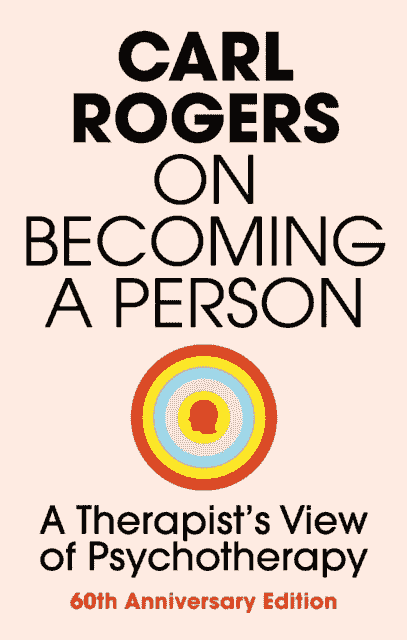
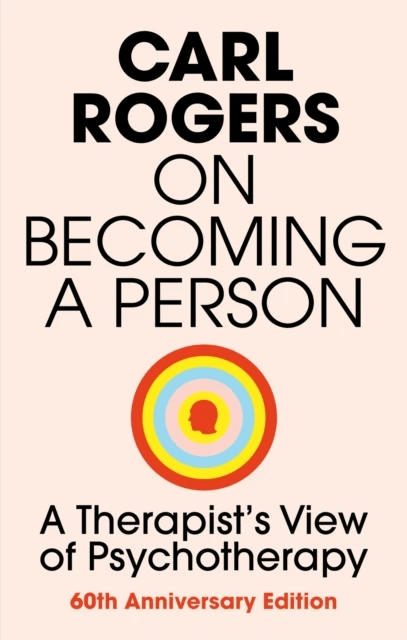
On Becoming a Person
On Becoming a Person by Carl Rogers is a foundational work in humanistic psychology, exploring what it means to grow into our true selves. Through essays and case studies, Rogers highlights the importance of authenticity, empathy, and unconditional positive regard in personal growth and in therapeutic relationships. He emphasises that when individuals feel truly understood and accepted, they can move toward greater self-awareness, self-trust, and fulfilment. This book offers both practical insight for therapists and encouragement for anyone seeking to live a more genuine and meaningful life.

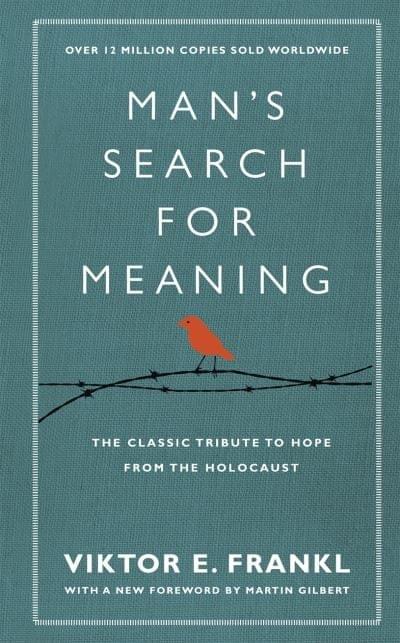
Man's Search for Meaning
Man’s Search for Meaning by Viktor Frankl is a powerful exploration of how finding purpose can help us endure even the most difficult circumstances. Drawing on his experiences as a Holocaust survivor, Frankl illustrates how meaning can be discovered through suffering, work, and love, and how it can guide us toward resilience and hope even in despair. The book blends personal narrative with psychological insight, introducing logotherapy (which is a form of psychotherapy that focuses on the human drive to find meaning in life). Frankl’s belief that our primary drive in life is not pleasure but the pursuit of meaning. It remains a deeply moving and practical guide for anyone seeking purpose in the face of life’s challenges

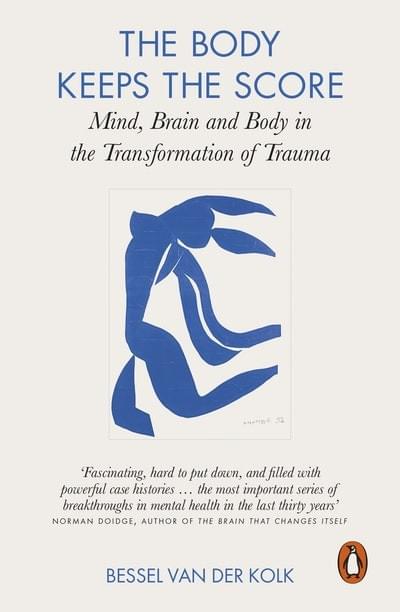
The Body Keeps the Score
The Body Keeps the Score by Bessel van der Kolk is a groundbreaking book that explores how trauma is held not only in our minds but also in our bodies. Drawing on decades of research and clinical practice, van der Kolk explains how traumatic experiences can reshape the brain and body, affecting our relationships, behaviours, and sense of self. The book highlights the importance of approaches such as body-based therapies, mindfulness, and movement in healing from trauma, offering hope and practical pathways toward recovery for those who have felt stuck in the aftermath of difficult experiences.
External Support Networks
Connecting you with valuable resources

Pieta House Wexford
Pieta House provides a range of services nationally to people who are experiencing thoughts of suicide, those who engage in self-harm, and those bereaved by suicide. All services are provided free of charge, and no referral is needed.
Wexford Rape Crisis
Mission Statement:
“Wexford Rape Crisis is a client-centred support service for those who have been affected by domestic, sexual or gender-based violence, including women, men, young people (age 12 years upwards) and all persons of different sexual or gender identities”.
Violence and sexual abuse in relationships must always be viewed as an abuse of Human Rights. It should not be rationalised or minimised and there must never be an acceptable or tolerable level of violence. Anyone can be a victim of Domestic, Sexual or Gender-based violence, irrespective of age, race, income or employment status.
Underpinning all aspects of the work of Wexford Rape Crisis is an ethos which offers support, empathy and understanding. Wexford Rape Crisis provides a non-judgemental, empowering and compassionate service which facilitates healing and recovery.

Wexford Women's Refuge
Wexford Women’s Refuge covers the whole of County Wexford and the Outreach Service endeavours to reach out to women who are unable to come into the Refuge for whatever reason. The Refuge is open 24/7, 365 and operates a FREE 24-hour emergency helpline. The Refuge aims to provide help and advice to anyone experiencing Domestic, Sexual and Gender Based Violence and provides information to those who are seeking advice and support regarding legal information for example, safety orders, interim barring orders, emergency barring orders and protection orders. The Refuge can also provide court accompaniment for those who need it.